A Visual Guide For Kohler Engine Troubleshooting No Spark Issues

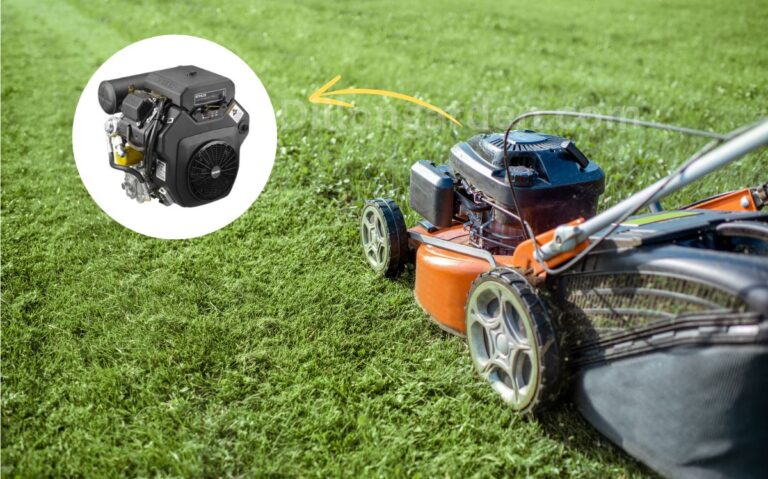
If your Kohler engine cranks but won’t produce spark, the problem could be in the ignition system, the spark plug, wiring, or safety/kill switch. A lack of spark prevents the engine from firing and starting, even if the rest of the engine is in good condition.
🔍 What Causes No Spark on a Kohler Engine?
The most common reasons a Kohler engine won’t produce spark include:
- Faulty spark plug – dirty, fouled, cracked, or worn out.
- Bad ignition coil or improper gap between coil and flywheel magnets.
- Loose wiring, corroded terminals, or disconnected leads.
- Kill/safety switch faults or wiring issues interrupt ignition.
- Flywheel magnet/coil alignment problems.
Below is a clear, step-by-step troubleshooting guide to help you diagnose and fix the issue.
1. Faulty safety switches

These electrical switches prevent the engine from running until you meet the recommended safety conditions. Safety switches include:
- Seat switch: It prevents running the engine until you sit on the seat.
- Brake switch: The engine will not run unless you push it down.
- Blade engage switch: Also called PTO, that prevents the blades from turning if the switch is not engaged.
Any malfunction in those switches can cause no spark in a Kohler engine. For example,
if one of those switches is defective, the engine may not detect the operator in the seat or a push on the brake pedal.
How to fix:
- Check the engine’s wiring diagram to identify the faulty switch. Detect the wires from the safety switches to the ignition coil.
- Detach the defective switch and check it carefully. Clean it with a soft brush and a particular electric cleaning solution, like a contact cleaner, if it is dirty or corroded. Reinstall it after cleaning.
- If the switch is seriously damaged or burnt, replace it immediately.
- After the repair or reinstallation of the switch, test it multiple times to ensure it works.
Caution:
Finding and working on a defective switch is very complex. A random repair can be dangerous for the engine’s ignition system if you have no electrical knowledge. Better, contact a technician for assistance.
2. Faulty spark plug

A spark plug is directly involved in generating the spark. However, it can be defective because of wear and tear, carbon deposits, and physical impact. As a result, it may not produce a spark, or the generated spark can be too weak to ignite the fuel mixture.
How to fix:
- Check the spark plug’s electrode gap. If it becomes too large, gently hit the plug’s platinum tip on a hard surface to reduce the gap. If the gap seems small, expand it with a compatible tool, like a needle nose pliers.
- If the spark plug is dirty or covered with carbon deposit, use a wire brush, or a commercial spark plug cleaner to remove it.
- Replace the spark plug if it has signs of wear and tear or damage.
Caution:
Do not force while fixing the electrode gap. Ensure that you installed the spark plug in right alignment after cleaning.
3. Faulty ignition coil

The ignition coil also has a key role in producing the spark. It converts the low-voltage current from the battery into the high-voltage needed to create the spark. However, the coil can be faulty due to heat, wear and tear, and moisture. Hence, it generates no spark.
How to fix:
- Use an ohmmeter to check the ignition coil’s resistance. Its resistance should be within the manufacturer’s specifications. If you detect too high or low resistance, replace the ignition coil.
- Engine’s vibration can make the coil loose, causing it not to work. Try reconnecting it and see if the ignition coil works.
- Replacement is also recommended if the coil has a clear sign of damage.
Caution:
Disconnect the negative battery cable before working on the ignition coil. Choose a genuine Kohler ignition coil if you want to replace the old one.
4. Faulty wiring

The ignition system consists of complex wiring. Sometimes, wrong or faulty wiring can prevent the engine from spark generation.
How to fix:
- Use a multimeter to test the current flow of the wiring. If there is no flow, it is a sign of a break in the wiring, which needs repair.
- Inspect the ignition wires to detect any sign of damage, such as frayed wrapping, cracks, or corrosion. Replace or repair the faulty wire as needed.
- Also, check the kill wire. First, disconnect it from the ignition switch and try starting the engine. If the engine starts, it indicates the kill wire is faulty. Replace it with a new one.
- If the wiring looks pretty complex to you, get professional help.
Caution:
Do not touch the ignition wires while the engine is running. Make sure you use the correct type of ignition wires for the Kohler engine.
How to Prevent Kohler Engine’s No-Spark Problem
There is no direct way to prevent the problem. But, you can take some actions to avoid this issue. Here are some tips to follow:
Regular maintenance:
Most problems with Kohler engines occur due to lack of maintenance. However, overseeing the engine is crucial for excellent performance and longevity. Make a routine to check the spark plugs, ignition coil, and wires for wear and tear. In this way, you can predict if the engine is going to have a problem, like no spark.
Use original components:
Parts replacement is a normal procedure for every engine. Nowadays, engine parts are widely available. However, try hard and soul to collect the original parts for the engine. Fortunately, Kohler sells engine spare parts. Using the original parts reduces the chances of such problems.
Prevent overheating and moisture:
Overheating damages the engine’s ignition system and causes issues like no spark. So, check the coolant level regularly. Also, avoid operating the lawnmower in extremely hot weather. Moisture is another culprit that can damage the sparking components. Therefore, cover your lawnmower well in the rainy and snowy days.
🛠️ Quick Tests You Can Do
Spark Tester Test:
Use a spark tester tool on the spark plug lead while cranking. A weak or absent spark indicates ignition issues.
Kill Switch Grounding Test:
Unplug the kill/safety switch and try grounding the wire, if spark returns, the switch is faulty.
❗ Safety Tips Before You Begin
- Always disconnect the spark plug lead and battery (if equipped) before inspecting.
- Avoid touching moving parts when attempting spark tests.
- If you’re unfamiliar with electrical systems, consider a professional inspection.
When Should You Go To A Professional For The “No Spark” Problem?
General problem fixing, like cleaning, reinstalling, and part replacement at home, is a decent practice. However, the engine’s ignition system is complex and requires a skilled person to handle it.
Here are some situations when you need professional help:
- The above solutions have failed to fix the no-spark issue.
- You do not have technical skills.
- You lack the appropriate tools to detach and reassemble the mentioned parts.
- It seems too challenging to repair and risks damaging the engine.
In these situations, contact your nearest lawnmower technician, who can address and fix the actual fault.
FAQs — Kohler Engine No Spark
Q1: Why does my engine have spark when unplugged but not during start?
This usually means a kill switch, safety interlock, or wiring fault is interrupting the ignition circuit.
Q2: Can a worn flywheel key cause no park?
Yes, a sheared or misaligned flywheel key can throw off ignition timing and prevent spark.
Q3: Should I replace the ignition coil or spark plug first?
Always test and replace the spark plug first, it’s inexpensive and a common failure point. If problems persist, move on to coil and wiring.
🧠 Final Notes
A Kohler engine’s ignition system is rugged but sensitive to sparks being interrupted by wiring, safety switches, or worn components. Following these diagnostic steps helps isolate the true failure point without unnecessary replacements.
Continue Reading…
Kohler 7000 Series Starting Problems [Try This Easy Fixes!]
8 Most Common Kohler Courage 26 Hp Engine Problems [+ Visual Guide]