10 Front Yard Landscaping Ideas to Refresh Your Home’s Curb Appeal

Your front yard is what greets people first when they come by. It really sets the mood for your whole place and adds a little extra charm.
Good landscaping can make your front yard welcoming and attractive without needing a lot of work.
You don’t need a huge yard or much experience to make things look better. Even simple changes can create a fresh, inviting vibe that fits you.
Let’s look at some easy ways to boost your front yard’s appeal.
1) Plant evergreens for year-round color
Evergreens keep your yard green and lively, even when it’s cold. Shrubs like boxwood or holly don’t drop their leaves, so things never look bare.
They add structure and a tidy look, which is always nice. If you’re curious about more options, check out this guide.
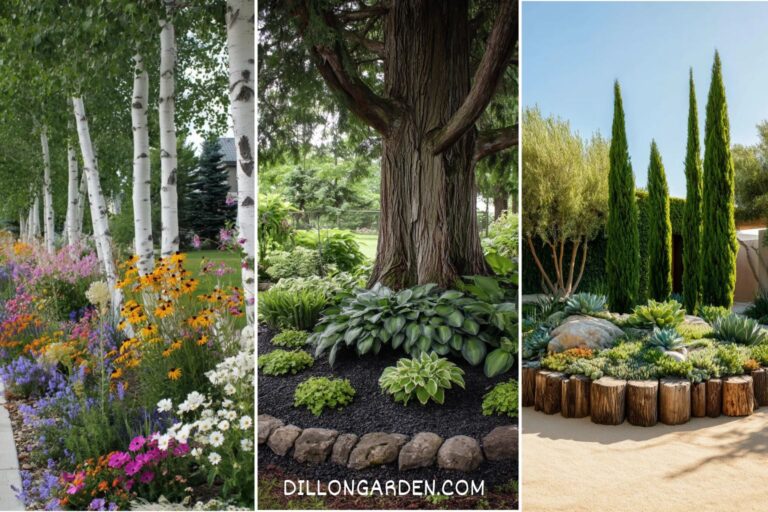
2) Create a pollinator-friendly garden with native plants
Planting native flowers helps bees and butterflies do their thing. Flowers like bee balm, coneflowers, and milkweed are great for pollinators and don’t need much fuss.
Aim for blooms at different times so there’s always something for them to snack on. Here’s a handy pollinator garden design guide.
3) Install a charming trellis or arbor
A trellis or arbor can totally transform your front yard. Grow flowers, vines, or even some veggies on them.
They make a sweet entrance or a cozy spot to sit for a bit. Mixing wood and metal gives you a look that’s all your own.
Need some inspiration? Take a peek here.
4) Use raised garden beds without frames
No need for fancy frames, just mound up some soil or compost where you want your garden beds. It’s quick, saves cash, and gets you gardening faster.
This works especially well for smaller plants and veggies. Toss on some mulch to help keep things moist.
Here’s a look at making raised beds without frames.
5) Add berries and fruit-yielding shrubs
Berry and fruit shrubs bring color and tasty treats to your yard. Blueberries, raspberries, and blackberries are all solid choices.
They need a bit of care, but picking fresh berries right outside your door? Worth it. Maybe try a small berry walk if you’re feeling ambitious.
Find plants that thrive in your area. More ideas on fruit-bearing plants in landscaping.
6) Incorporate xeriscaping for water efficiency
Xeriscaping is a smart way to save water. Use drought-tolerant plants that don’t need much watering.
Mix in rocks, mulch, and native plants to keep things looking good and low-maintenance. Want more? Check out xeriscaping ideas.
7) Mix trees, shrubs, perennials, and ground covers
Combining trees, shrubs, perennials, and ground covers adds depth. Trees give height, shrubs fill in, and perennials plus ground covers keep things green.
Choose plants that get along in your climate. It’s a good way to make your yard look full without a ton of effort.
For low-maintenance ground covers, check out some drought-tolerant options.
8) Add height with planter boxes and hanging baskets
Planter boxes and hanging baskets give your yard a layered look. They make a small space feel bigger and more interesting.
Try tall planters by the door or along the path. Hanging baskets bring color up high and free up ground space.
For combo ideas, see garden baskets and planters.
9) Build a small seating area for relaxation
A bench, chair, or swing in the front yard? Why not. It makes the space feel warm and welcoming.
Even a tiny yard can fit a cozy seating spot. It’s perfect for relaxing or saying hi to the neighbors.
Get started with these small front yard seating ideas.
10) Plant hellebores for early spring blooms
Hellebores bloom in late winter and early spring, adding color when most things are still asleep. They like shady spots with moist, well-drained soil.
Try planting them under trees where they get sun in spring, then shade in summer. Learn more about growing hellebores.
Front Yard Landscaping Design Principles
Good landscaping is about finding a balance between beauty and function. You want your yard to look inviting and match your home’s vibe.
Mixing different plants and materials is key. It’s a bit of an art, honestly.
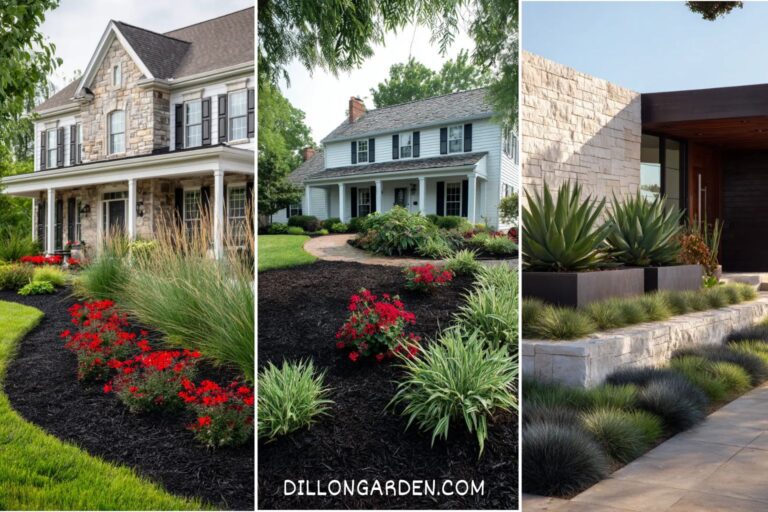
Creating Curb Appeal
Curb appeal starts with a neat, welcoming look. Keep your lawn mowed and plants trimmed.
Pick plants that suit your climate and soil, less hassle that way. Colorful flowers or shrubs near the entrance draw the eye.
A tidy walkway to your door feels inviting and helps guide visitors. Highlighting your house number with a cool sign or some lighting? That’s a nice touch.
Fresh mulch and a few well-chosen garden ornaments go a long way. Those little upgrades make your place pop from the street.
Balancing Plant Types
Mixing trees, shrubs, and flowers keeps things interesting. It adds height and texture so your yard doesn’t look flat.
Think about when stuff blooms so you get color year-round. Pair evergreens with seasonal flowers for winter and summer interest.
Go for a mix of leaf shapes and sizes for texture. You don’t need a ton of different plants, just a few that play well together.
Incorporating Hardscape Features
Paths, patios, or walls give your yard structure. They make spaces for walking, sitting, or gardening, and mean less grass to mow.
Stick with materials that match your home’s style, stone, brick, or wood all work. Curved walkways soften things up; straight lines feel modern.
Make sure hardscape bits don’t crowd out your plants. A little patio by the door can be a perfect spot to relax or greet guests.
For more ideas on blending hardscaping and plants, have a look at front yard landscaping tips.
Maintaining Your Front Yard Landscape
Keeping your front yard looking sharp takes steady effort. You’ll want to tweak your care as the seasons change and make sure your watering setup actually works for your plants.
Seasonal Care Tips
In spring, focus on pruning dead branches and pulling weeds. Fresh mulch helps keep moisture in and weeds out.
Summer’s for watching out for drought. Some plants, especially new ones, will need a little extra water.
Keep an eye out for pests and nip problems early. In fall, clear away leaves and get things ready for colder weather.
Cut back perennials and add extra mulch to protect sensitive plants. Winter’s mostly about keeping an eye on things.
Try not to walk on frozen soil, and gently brush snow off shrubs so branches don’t snap.
Watering and Irrigation Strategies
Water deeply, but don’t overdo it. Less frequent watering helps roots grow stronger.
Most lawns and plants get by with about 1 inch of water per week, counting any rain. That’s usually enough, though some weeks might need a little more.
Early morning is the best time to water. It keeps evaporation low and gives plants a good start to the day.
Try not to water in the evening. Damp leaves overnight can invite disease.
Ever thought about drip irrigation or soaker hoses? They’re pretty efficient, sending water right to the roots and saving a lot from being wasted.
Mulch is a real game changer. It keeps soil moist longer and means you won’t have to drag the hose out as often.
Double-check that your watering system covers everything evenly. You might need to tweak it when the weather changes.
For more low-maintenance ideas, check out these low maintenance front yard landscaping ideas.