10 Long Driveway Ideas for Enhancing Curb Appeal and Functionality

Long driveways can add charm and character to a property. They create a welcoming entrance and set the tone before you even reach the house.
Most folks want their driveway to look good and blend in with the landscape. Honestly, who doesn’t?
Choosing the right design for a long driveway can really boost curb appeal and make life easier. There are so many ways to play with materials, shapes, and landscaping to get the look and durability you want.
Let’s check out some ideas that can help make long driveways both attractive and useful.
1) Line the driveway with identical shrubs or small trees for symmetry
Lining a driveway with identical shrubs or small trees gives it a tidy, balanced feel. This simple touch draws the eye toward the house.
Using the same plants on both sides keeps things symmetrical. It’s a straightforward way to add structure without making the space feel crowded.
For more inspiration, see driveway landscaping tips with symmetrical plantings.
2) Install low-maintenance vines on trellises along the driveway
Vines on trellises can add greenery and color without eating up much space. Low-maintenance options like bougainvillea thrive on trellises and don’t ask for much attention.
Trellises make it easy to create a neat, vertical garden. They can also give you a bit of privacy or block less-than-lovely views near the driveway.
If you’re after a simple, attractive landscape fix, this could be it. For more tips, see driveway trellis ideas.
3) Use crushed granite or loose gravel as a durable driveway surface
Crushed granite gives you a strong, stable surface that stands up to heavy loads. Its unique red color adds a clean, appealing look.
Loose gravel is easy to put down and maintain, though you might need to top it up now and then to keep things smooth. Both materials drain well and help prevent water from pooling.
For details, check out crushed granite options for driveways.
4) Add blacktop or recycled asphalt for a smooth, long-lasting finish
Blacktop offers a smooth ride and is easy to keep up. It holds up under heavy use and doesn’t crack as quickly as you might think.
Recycled asphalt, also called asphalt millings, is a greener pick. It’s durable, costs less than new asphalt, and still looks clean.
Both options give you a solid, long-lasting driveway. For more detail, see asphalt millings for driveways.
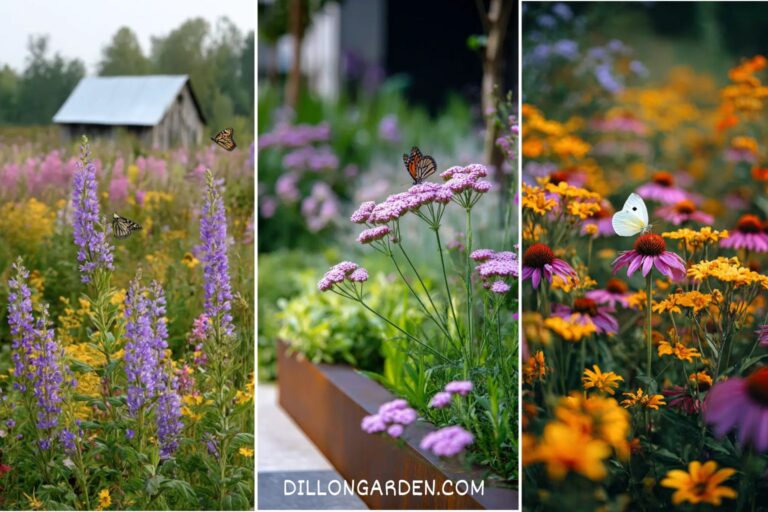
5) Create a visual border with flowering plants or ornamental grasses
Perennial flowers can be used to line the edges of the driveway. These tough plants come back year after year and can handle harsh conditions.
Ornamental grasses bring texture and a bit of movement. Mixing up heights and colors adds interest without much fuss.
Combining flowers and grasses makes a clear, attractive border that guides the eye. For more ideas, see driveway border landscaping options.
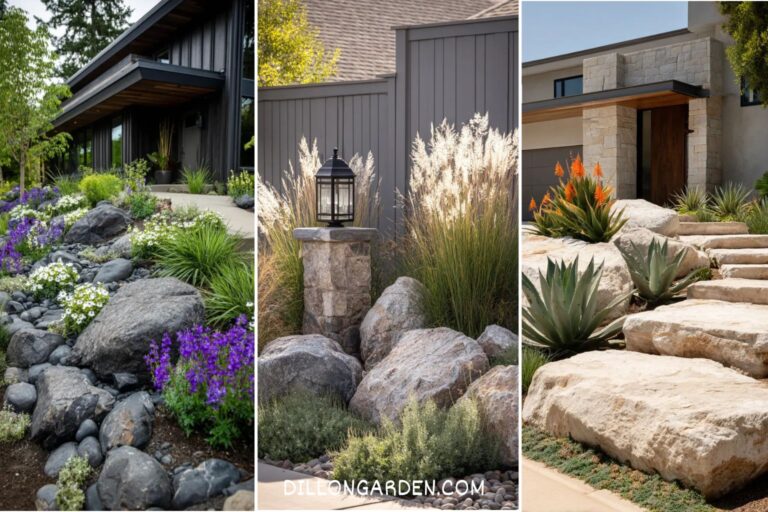
6) Incorporate large rocks or logs on slopes to prevent runoff erosion
Large rocks or logs help slow down water on steep driveways. This reduces soil erosion by breaking up the flow.
Rocks between 10 to 16 inches are usually sturdy enough to keep soil in place. Logs laid across a slope can act as barriers and catch moving soil and water.
Using these materials is a straightforward way to protect against erosion during heavy rain. More tips on this can be found on how to place rocks on slopes to stop erosion.
7) Install solar pathway lights for safety and ambiance
Solar lights line the driveway without any need for wiring. They soak up sunlight during the day and switch on by themselves at night.
Lights on both sides make it easier to see and help prevent accidents. They also add a warm, welcoming glow for visitors.
Solar options are eco-friendly and simple to install. See ideas for solar driveway lighting for more details.
8) Use tar and chip surfacing for a rustic textured appearance
Tar and chip driveways mix liquid asphalt with loose stones. The result? A textured surface that gives extra traction.
It’s a durable choice, popular in rural or laid-back settings. The look is rustic and feels pretty natural.
This option is often more affordable than other paving types. It’s a solid pick for long driveways that could use a bit more grip.
Learn more about tar and chip driveways here.
9) Build raised planters alongside the driveway for added greenery
Raised planters give a neat, organized look to a long driveway. They help define the space and keep plants tidy.
You can build these on concrete or other hard surfaces, making them low maintenance. Mixing in different plants brings color and texture.
For ideas, see raised garden bed tips here.
10) Add mulch or compost regularly to maintain slope soil health
Mulch or compost keeps soil on slopes healthy and helps it hold moisture. It also cuts down on erosion.
Compost breaks down, feeding the soil over time. Mulch shields roots and supports plant growth.
Natural mulches like shredded bark or leaf mold work well on slopes. Just remember to top them up now and then to keep the soil in good shape.
Learn more about using compost for healthy soil on slopes here.
Key Design Considerations for Long Driveways
Planning a long driveway takes some thought, materials, drainage, how it matches the house, all of it. Every choice affects how the driveway looks and holds up.
Materials Selection and Durability
Picking the right material matters since long driveways get a lot of use. Asphalt is popular for its price and easy repairs.
Concrete lasts longer but might crack if the ground shifts. Pavers, like brick or cobblestone, are tough and look upscale, though they cost more at the start.
Materials should fit your weather. Gravel drains well but might need frequent raking. If you park heavy vehicles, you’ll want something thicker and stronger.
How long it lasts, how much work it takes, and how it looks, all of that should factor into your decision.
Drainage and Slope Management
Good drainage keeps water damage and erosion at bay. A slight slope lets water run off instead of pooling.
If the driveway’s too flat or slopes the wrong way, you can end up with cracks or mud. Drainage channels or French drains along the sides help control runoff.
Avoid steep slopes, they make driving tricky and can be dangerous. Grading matters for protecting the surface and making it last.
Aesthetic Cohesion With Landscape
A long driveway should fit the landscape and the house style. Matching materials, colors, and shapes with the home really boosts curb appeal.
Edging or planters can define the edges without being too much. Planting shrubs or trees along the way frames the path and adds interest.
Curved or circular driveways soften the look and make parking easier. The goal is for the driveway to feel like it belongs, not like an afterthought.
For more details on material choices and design factors, see driveways and walkways material options in 2024.
Maintenance Best Practices
Keeping a long driveway in shape means regular care and fixing things before they get worse. A little attention goes a long way.
Regular Cleaning and Sealing
Sweep away dirt, leaves, and debris whenever you can. A hose or pressure washer helps with stuck-on dirt or oil spots.
Sealing every couple of years protects against water, sun, and chemicals. Sealants fill in small cracks, stopping bigger ones from forming.
For best results:
- Clean the surface and let it dry.
- Pick a sealant that works with your driveway material.
- Follow the instructions for when and how to apply.
This routine helps you avoid costly repairs and keeps your driveway looking sharp.
Seasonal Repair Tips
Driveways really need a close look each season, especially after winter or heavy rain. Even small cracks should be filled right away to stop water from getting in and freezing.
In colder places, it’s tempting to dump salt or ice melt everywhere, but that’s not great for your driveway. Too much salt can eat away at asphalt or concrete, so it’s better to go easy on it.
If you spot a pothole, don’t wait around, patch it up fast before it gets worse. Concrete driveways do best with a patching compound, while asphalt ones can usually be fixed with a cold patch.
You might want to mark the edges with reflective posts. It helps protect your driveway during snow plowing, making it less likely you’ll end up with extra damage.