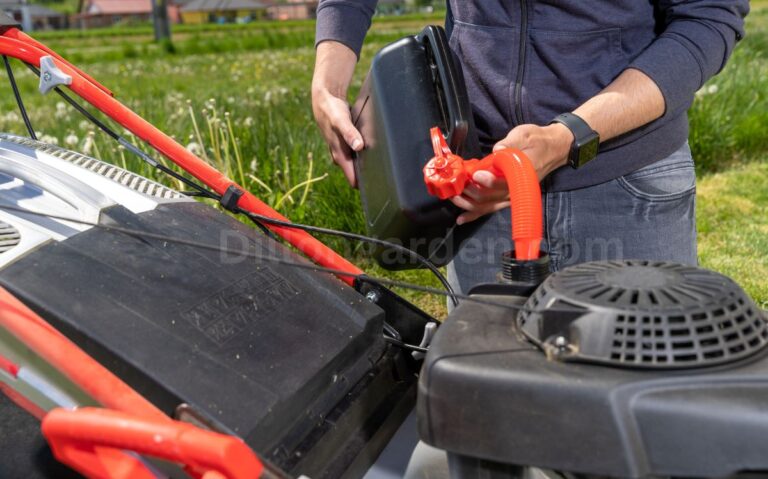
Why Gas Coming Out Of Carburetor Intake? [ 3 Fixes!]

If gasoline is coming out of the carburetor intake, air horn, or soaking the air filter, something is wrong with fuel control or engine timing. This is not normal operation and should be addressed immediately to avoid fire risk and engine damage.
This guide explains why fuel flows backward through the carburetor, what causes it, and how to fix it correctly.
What Does the Gas Coming Out of Your Carburetor Intake Mean?
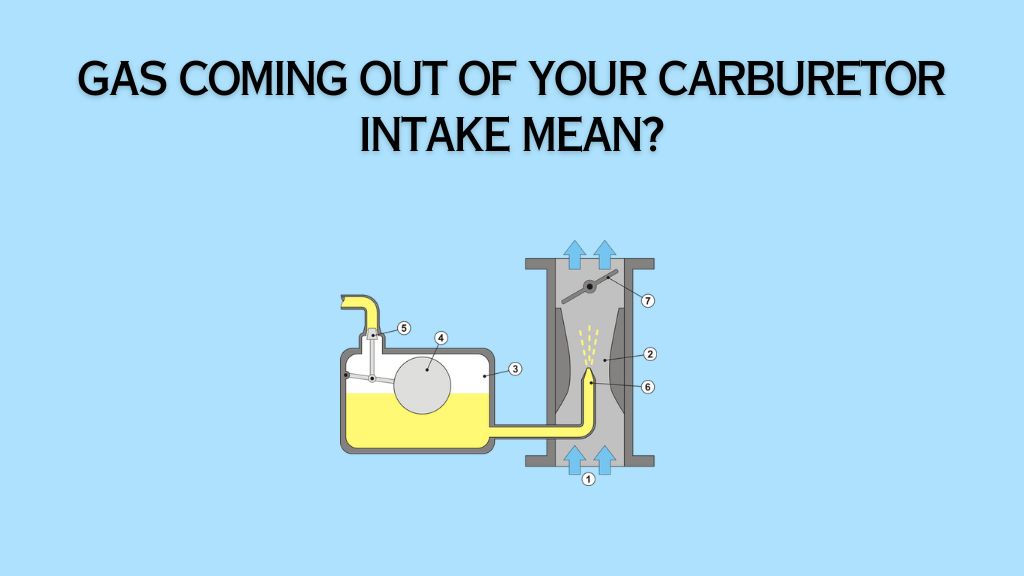
In a healthy engine:
- Air flows into the carburetor
- Fuel is metered and atomized
- Intake valves open and close at the correct time
When fuel comes out of the intake, one of two things is happening:
- The carburetor is overfilling
- Combustion or pressure is reversing through the intake
Both conditions require attention.
Read also: Why Carb Spitting Fuel Into Air Filter? [Causes + Fixes!]
Troubleshooting Gas Coming Out Of Carburetor Intake Issues
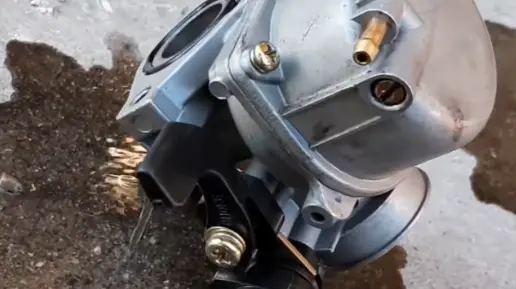
The carburetor is one of the hardest-working components of your vehicle. This constant stress can wear down the fuel pump and the important valves. Ultimately, the carburetor starts to leak gas. Let’s see how you can fix these issues.
1. Bad Fuel Pump
How does the fuel from the tank reach the carburetor? The answer is a fuel pump. When this component fails, the fuel content inside the carburetor might exceed the recommended level. The result is gas in the intake.
There are multiple reasons for a fuel pump to malfunction-
- Consistently driving with low gas overheats the pump
- You have been using low-quality fuel
- Accumulation of fuel residues has clogged the pump
- The fuel pump isn’t compatible with the other parts
- A loose fuel hose, clamp, or connector affects the fuel flow
- Bad fuse or relay disturbing the electrical flow to the fuel pump
Potential Fix:
If the fuel pump is in good shape, cleaning and re-touching the connections will solve the issue. However, if it’s worn out, you must replace or repair the component. Follow these steps-
- Step 1: Find out the fuel pump in your car. Newer engines have it inside. Meanwhile, older mechanical pumps nest outside the engine. Your owner’s manual should be able to tell you the location.
- Step 2: Remove the fuel cap to normalize the fuel pressure. Disconnect the fuse and relay. Also, remove the negative battery cable to prevent short circuits.
- Step 3: You may have to drain some of the tank’s fuel to reach the pump. Have a proper container nearby so you don’t have to waste this fuel.
- Step 4: the fuel lines and electrical connectors need to be disconnected from the pump. Plus, you have to loosen the clamps and other fittings. Use a proper wrench and pliers for the job. Expect some fuel leaks, and keep a rag close at hand.
- Step 5: Unscrew the final remaining bolts and nuts. Be careful when unscrewing the retaining ring. Don’t damage the seals or gaskets. You can now safely dismount the weary fuel pump.
- Step 6: Put in the fresh fuel pump. Then screw all the parts in reverse order of the uninstallation process. Once you have properly fitted the pump, run the engine for a few minutes to calibrate it.
All that might seem too complex if you don’t have much experience with engine repairs. In that case, seek assistance from a professional. The total cost in parts and labor would be around $400-600.
2. Float Valve Malfunction
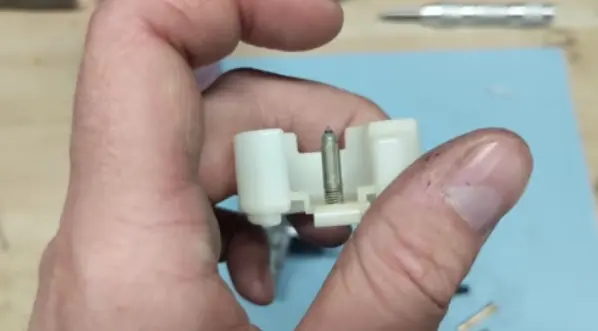
The float valve moves freely to control the entry of fuel into the carburetor. If it malfunctions, you might find gas in the intake. Since a damaged valve will fail to cut off the supply when the float bowl is full.
An overflowing float bowl leads to fuel leakage into the intake manifold. There are multiple why the valve might malfunction-
- The float valve is stuck in gunk (fuel residues from inactivity)
- Corrosion resulting from ethanol in the fuel
- An aging floating valve has lost its sealing ability
- Misadjusted float valve
Potential Fix:
Fixing the float valve problem isn’t easy. However, you can accomplish it even on your first attempt if you follow these steps-
- Step 1: Find your car’s carburetor. The usual location is at the inlet manifold upstream. It’s after the fuel filter and before the induction manifold.
- Step 2: A set of bolts hold the float bowl in place. Unscrew those to remove the bowl. Be careful about spilling the bowl’s content.
- Step 3: Pivot pins secure the float and the valve. Pull the pins to remove the parts.
- Step 4: Clean the float valve. You might use a soft brush and a carburetor cleaner for this step. Get rid of the gunk or corrosion that’s jamming the float valve. Don’t forget to clean the valve’s carburetor seat.
- Step 5: If the valve’s too worn out, replace it with a new one. Ensure proper model and compatibility for the new parts. You must also get new parts if the float valve has a damaged seat.
- Step 6: Follow the reverse order of uninstallation to put in the float valve. Adjust float level. Also, ensure that nothing touches or disturbs its movement.
- Step 7: Run the car to settle the carburetor after reattaching everything.
If it sounds like a hassle, take the task to a qualified auto repair service. Expect costs in the range of $100-300, depending on your carburetor’s condition.
3. Bad Choke Valve
The choke valve is a temperature-sensitive component. It welcomes air entry into the carburetor when the engine’s warm. Similarly, it chokes the air supply if your engine’s cold.
A bad choke valve fails to perform its function correctly. It might start restricting airflow even when the engine is hot. As a result, the air-fuel mixture gets too rich, and you find gas in the intake.
There are multiple reasons for a bad choke valve-
- A faulty thermostat is messing up the valve’s temperature sensitivity
- The choke valve is stuck in the dirt
- Water in the fuel has corroded the valve
Potential Fix:
You can fix the choke valve of your car carburetor by following these steps. Be careful when working on an open engine-
- Step 1: Find the choke valve on the carburetor jet upstream. It looks like a plate. The valve can also be in the shape of a butterfly.
- Step 2: Start the car and observe the function of the valve under cold conditions. Watch how it behaves as the engine gradually becomes hot.
- Step 3: You must fix the choke valve if it doesn’t fully open when your engine’s hot.
- Step 4: To remove the choke valve, detach all the associated parts. These include wires, hoses, and the air cleaner.
- Step 5: Remove the screws and clips to dismount the choke valve. Clean it correctly or put in a new one if necessary.
- Step 6: Reverse the steps to complete the installation. Don’t forget any hose or wire you disconnected during the repair. Finally, start the engine for proper calibration.
If you don’t have much experience with carburetors, it’s recommended that you seek expert help. You might spend around $100-300, depending on the situation.
Step-by-Step Diagnosis Order (Important)
Follow this order to avoid unnecessary engine teardown:
- Check oil level (correct if overfilled)
- Inspect air filter for fuel saturation
- Inspect float and needle operation
- Clean carburetor thoroughly
- Check intake valve sealing
- Inspect flywheel key if backfiring occurred
Over 70% of cases are fixed in steps 2–4.
Can You Keep Running the Engine Like This?
No. Running an engine while gas comes out of the carb intake can:
- Create a fire hazard
- Damage cylinder walls
- Dilute engine oil
- Destroy spark plugs
Shut the engine down until repaired.
Preventive Maintenance Tips
- Use fresh, stabilized fuel
- Clean carburetor before seasonal storage
- Avoid ethanol fuel when possible
- Replace air filters regularly
- Don’t overfill oil
- Address backfires immediately
Most carb fuel blowback issues start small and worsen quickly.
FAQs – Gas Coming Out of Carburetor Intake
Why is gas leaking from my carburetor air intake?
Usually due to a stuck float or leaking needle valve.
Can bad timing cause fuel to come out of the carb?
Yes. A sheared flywheel key or valve issue can force fuel backward.
Is this dangerous?
Yes. Fuel near the intake and filter is a fire risk.
Will carb cleaning fix this?
Often yes, if the issue is float or needle related. Valve issues require further repair.
Final Thoughts
Gas coming out of the carburetor intake is a clear mechanical warning, not a mystery. In most cases, the carburetor is overfilling due to float or needle failure. If cleaning doesn’t fix it, valve timing or sealing should be checked next.
Fix it early, and the engine usually survives without permanent damage.